Cayman Islands Bank Account for Brazilians in 2026
Quick answer
Yes. A Brazilian can open a bank account in the Cayman Islands if the bank approves the KYC and the source of funds. Brazil is on Cayman's CRS list, IRPF on income abroad is 15% (Law 14,754) and assets of US$ 1,000,000 or more require the CBE.
- IRPF on income abroad
- 15%per year, on the DAA
- Annual CBE threshold
- US$ 1,000,000on December 31
- Annual CBE deadline
- February 15 to April 5
- Banks licensed by CIMA
- 76as of June 30, 2026
- 01Can a Brazilian open a bank account in the Cayman Islands?
- 02Which banks operate in Cayman and who regulates them?
- 03What is the minimum deposit and how much does the account cost?
- 04Which documents do banks usually ask for?
- 05Is a Cayman account confidential from Brazil's Federal Revenue Service?
- 06How do you report the account and pay tax in Brazil?
- 07When must you file the CBE with the Central Bank?
- 08Who is it worth it for, and when are other options better?
- 09What are the steps to open the account?
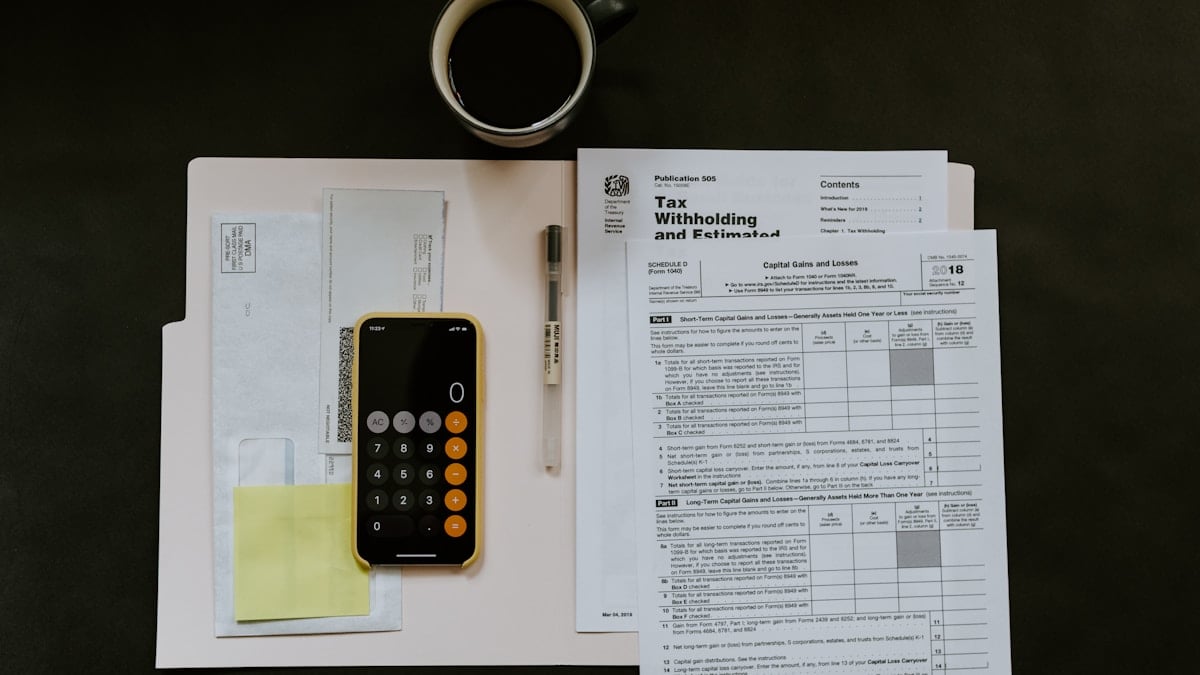
Yes, a Brazilian can open a bank account in the Cayman Islands in 2026, as long as the person passes the know-your-customer (KYC) review and proves the source of the money. The account is not confidential: Brazil is on Cayman's CRS reportable jurisdictions list.
The income goes on the IRPF return at 15% (Law 14,754/2023), and balances of US$ 1,000,000 or more require the CBE.
Can a Brazilian open a bank account in the Cayman Islands?
Yes. There is no prohibition on a Brazilian resident having an account abroad. What exists is a chain of obligations: the bank must identify you and the source of your wealth, and you must report the account and the income to the Brazilian authorities.
The bank decides. Each institution defines the client profile it accepts, the documents it asks for and whether it serves non-residents. That is why the useful question is not "does Cayman accept Brazilians?" but "does this bank accept my profile and my purpose?".
Cayman usually makes sense for people with significant wealth and a clear purpose, such as a dollar reserve, investment management or an account tied to a structure abroad. Without a defined purpose, the review tends to stall. If you are still comparing jurisdictions, also see the bank account in Panama for Brazilians.
Which banks operate in Cayman and who regulates them?
Two names appear often for Brazilians:
- •Butterfield: the official website describes the group as an independent bank and trust company and lists branches in the Cayman Islands, including Butterfield Place in Grand Cayman. It offers private banking and trust services.
- •Cayman National: says it was born in the Cayman Islands in 1974 and is part of the Republic family. It offers personal, business, premier, investment, trust and fund services.
Cayman banks are licensed and supervised by the Cayman Islands Monetary Authority (CIMA). On the CIMA page, with data as of June 30, 2026, there are 76 licensed banks: 11 Category A and 65 Category B. Cayman National states on its website that it is licensed and regulated by CIMA.
The official websites of the two banks consulted do not say whether they accept non-residents and do not publish eligibility criteria. Confirm directly with the bank before starting the process.
What is the minimum deposit and how much does the account cost?
There is no published official amount. The Butterfield and Cayman National websites do not state a minimum deposit for international clients or a fee schedule for that profile. Figures such as "from US$ 500,000" circulate in market guides, but they depend on the service tier and can change without notice.
Before sending documents, ask in writing for:
- •the minimum balance or minimum wealth required for your type of account;
- •the maintenance, transfer and custody fees;
- •whether opening is in person, remote or through an intermediary.
That conversation avoids spending weeks gathering papers for an account that does not make financial sense for your wealth.
Which documents do banks usually ask for?
The list varies by bank, but the KYC and anti-money-laundering standard usually includes:
- •Identification: a valid passport and recent proof of residence.
- •Source of wealth and source of funds: income tax returns, bank statements, sale contracts for assets, company articles of association and other documents that explain where the money came from.
- •Bank references: letters from institutions where you have held an account the longest.
- •Corporate structures: if the account is for a company, trust or holding, incorporation documents and documents of the ultimate beneficial owners.
- •Purpose of the account: a description of how and why it will be used.
The difference between source of funds and source of wealth matters: the bank wants to know both where the specific deposit comes from and how you built your wealth. Mismatched documents are the most common cause of requests for clarification.
Is a Cayman account confidential from Brazil's Federal Revenue Service?
No. Brazil appears on the Common Reporting Standard (CRS) reportable jurisdictions list published by Cayman's Tax Information Authority in Gazette No. 07/2026, of March 30, 2026. Brazil is included in the list of reports due from 2018. Cayman banks pass on financial information about accounts of Brazilian tax residents, which reaches the Federal Revenue Service (Receita Federal) through exchange between authorities.
FATCA is a different regime. According to Cayman's tax cooperation department, it serves to report financial accounts of US persons to the IRS. If you have US citizenship, a green card or another US tie, the bank may ask for additional forms.
In practice, treat the account as reported to the tax authorities. The safe path is to report everything in Brazil. To understand how this exchange works in another country, see the case of Panama.
How do you report the account and pay tax in Brazil?
Law No. 14,754/2023 (Lei 14.754/2023) requires an individual resident in Brazil to report income from financial investments abroad, separately from other income, on the Annual Adjustment Return (DAA). The rate is 15% (art. 2). Art. 3 includes interest-bearing bank deposits in those investments.
If the account belongs to a company you control abroad, the profits earned by the entity are taxed on December 31 of each year under art. 5. Structures of this type call for a case-by-case analysis, including for Brazilian companies with affiliates abroad, the subject of the guide on ECF and affiliates abroad.
When must you file the CBE with the Central Bank?
The Declaration of Brazilian Capital Abroad (CBE) is mandatory for anyone whose assets abroad add up to US$ 1,000,000 or more on December 31. According to the Central Bank of Brazil, the annual CBE is filed between February 15 and April 5 of the following year. Fines range from BRL 2,500 to BRL 250,000 and may be increased by 50% in some cases.
The threshold considers the total of your assets abroad, not just the Cayman account. Add up the balances of all accounts, investments and equity interests before deciding whether the declaration is mandatory.
Who is it worth it for, and when are other options better?
A Cayman account tends to make the most sense for people with high wealth, a well-defined purpose and a willingness to go through a slow opening process. It makes less sense for someone who only wants an account for small payments or occasional receipts, cases in which a bank with lower requirements usually does the job.
If the goal is estate and succession planning, the account is only one piece. Other structures may be part of the analysis:
- •trusts and private banking in the Bahamas;
- •private foundation in Austria;
- •Dutch BV as a European holding;
- •international succession planning.
Each has its own rules on cost, transparency and taxation in Brazil. Compare before choosing. To see the full set of solutions, visit offshore banking and corporate structures.
What are the steps to open the account?
- •Define the purpose. Write why Cayman and what the account will be used for.
- •Organize the documents. Gather identification, proof of the source of wealth and references.
- •Choose the bank. Ask about acceptance of non-residents, minimums and fees.
- •Go through the compliance review. Answer requests for clarification with documents, not verbal explanations.
- •Report in Brazil. Report the income on the DAA and check whether the CBE is mandatory.
Need consulting?
Talk to a specialist via WhatsApp and clear your doubts about offshore structuring.
Talk on WhatsApp
Dr. Heitor Miguel
Attorney registered at OAB/SP 252,633. MBA in Business Law and M&A from FGV. Specialist in International Law and iGaming. President of the International Law Commission at OAB/SBC. Deal Maker of the Year 2014 – IAE Awards.
Can a Brazilian have an account in the Cayman Islands?
Yes, as long as the bank approves the profile and the account is reported in Brazil. Acceptance is each bank's decision.
What is the minimum deposit to open an account in Cayman?
The official websites of Butterfield and Cayman National do not publish this amount for international clients. Ask the bank in writing before gathering documents.
Is the Cayman account reported to Brazil's Federal Revenue Service?
Yes. Brazil is on Cayman's CRS reportable jurisdictions list, and the financial information goes to the Brazilian tax authority through exchange between authorities.
What tax applies to the account's income?
Law 14,754/2023 provides for a 15% IRPF on income from financial investments abroad, reported on the DAA, including interest-bearing bank deposits.
When do I need to file the CBE?
When your assets abroad add up to US$ 1,000,000 or more on December 31. The annual CBE is filed from February 15 to April 5 of the following year.
Can I open the account without traveling to Cayman?
It depends on the bank. The websites consulted do not detail rules for non-residents. Ask whether opening is remote, in person or through an intermediary before you start.
- Research
Law 14,754/2023 (Planalto)
www.planalto.gov.br
- Research
Central Bank of Brazil: Brazilian capital abroad (CBE)
www.bcb.gov.br
- Research
Cayman Department for International Tax Cooperation: CRS list (Gazette 07/2026)
www.ditc.ky
- Research
Cayman Islands Monetary Authority (CIMA)
www.cima.ky
- Research
Butterfield
www.butterfieldgroup.com
- Research
Cayman National
www.caymannational.com