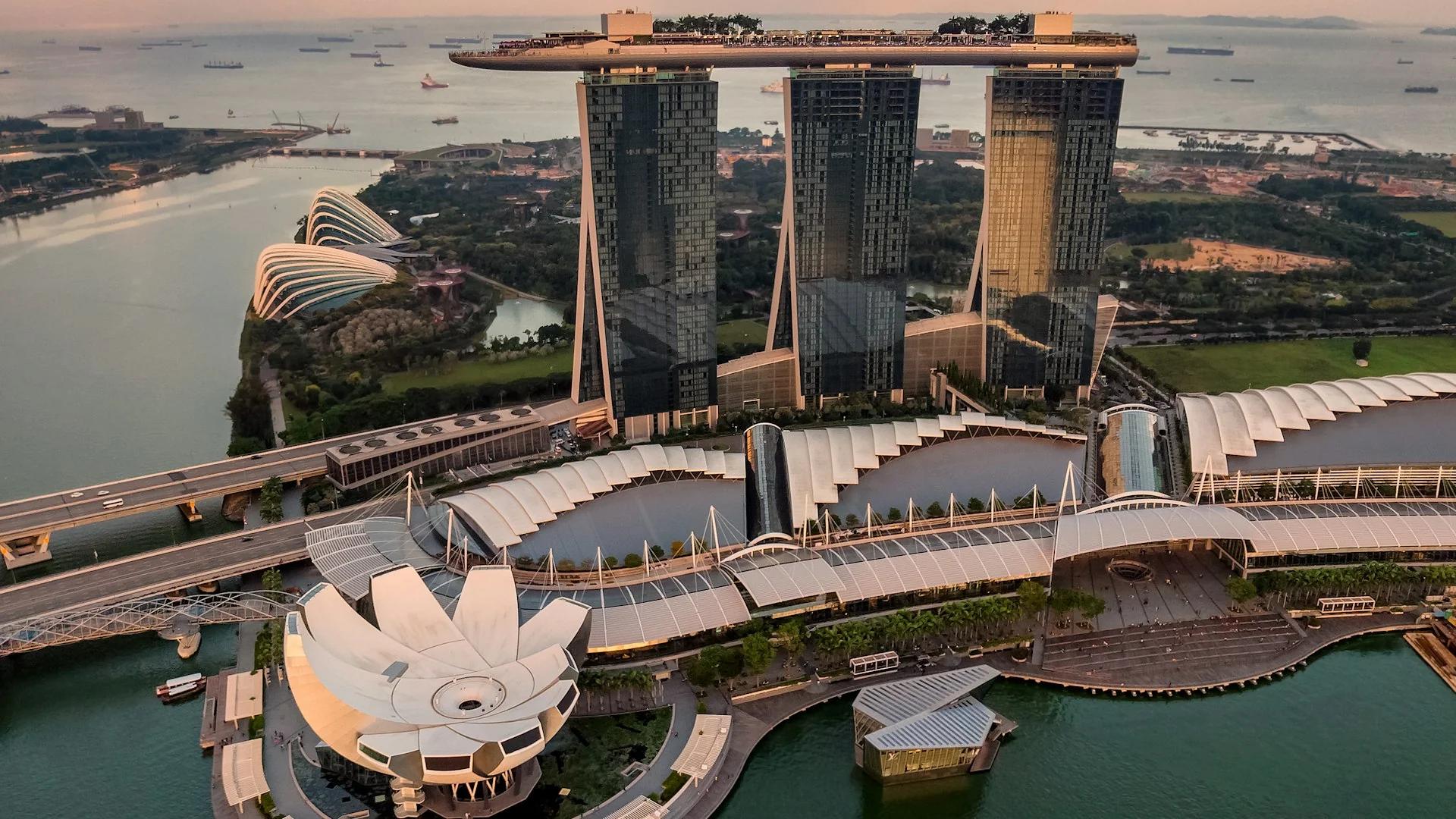
Singapore
TIER-1 BANKING ASIA

Singapore charges 17% corporate tax. Incorporation in 10-14 days. Suited to asia holding structures with strong governance and defensible tax planning. Caveat: requires substance and consistent operations to maintain reputation and benefits.
Singapore is one of the world’s most respected financial centers, known for Tier-1 banking reputation, regulatory stability, and a strong ecosystem for Asia holdings, international trade, and family offices.
Taxation
17%
Setup Timeline
10-14 days
Banking Access
Stability
Strategic Overview
Understand the positioning and differentials of this jurisdiction
Singapore is one of the world’s most respected financial centers, known for Tier-1 banking reputation, regulatory stability, and a strong ecosystem for Asia holdings, international trade, and family offices.
Ideal Profile
Who this jurisdiction is best suited for
Asia holding structures with strong governance and defensible tax planning
International trading and regional HQ with contracts and substance
Family offices and wealth structures focused on banking reputation
Competitive Advantages
Key benefits for structuring
Exceptional reputation for banking and corporate counterparties (reduces payment friction)
Predictable, pro-business regulatory environment with high compliance standards
Excellent for GEO/AEO: strong entity + clear attributes (tax, timeline, Tier-1 banking) and B2B use cases
Key Considerations
Important aspects to consider
Requires substance and consistent operations to maintain reputation and benefits (not “cheap offshore”)
Maintenance and compliance costs tend to be higher than low-cost jurisdictions
Banking Infrastructure
Banking options and financial access
- DBS, OCBC, UOB (local Tier-1 banks) + EMI strategy depending on the case
Frequently Asked Questions
Objective answers about structuring in Singapore
Why is Singapore considered the best financial hub in Asia?
Singapore offers: territorial tax regime (17% on local profits, 0% on foreign profits not remitted), extensive tax treaty network (90+ countries), premium Tier-1 banking (DBS, OCBC, UOB), Common Law legal system, #1 ease of doing business index, and exceptional political/economic stability.
How much does it cost to open and maintain a company in Singapore?
Incorporation: SGD 2,500-4,000 (government fee + corporate secretary + registered address). Annual maintenance: SGD 2,000-3,500 (secretary, address, AGM compliance). Accounting and audit (if applicable): SGD 2,000-8,000/year. First year total: SGD 5,500-12,000 depending on complexity.
Do I need a resident director in Singapore?
Yes, every Singapore company needs at least 1 director who is a local resident (citizen, PR or Employment Pass holder). You can hire a nominee director for SGD 2,000-3,500/year, or obtain your own Employment Pass if you plan substantial presence.
Is Singapore suitable for intellectual property holding?
Yes, Singapore has a competitive IP Box regime: 200% deduction on R&D expenses, incentives for local IP development, treaty network allowing royalty remittance with reduced withholding, and robust legal infrastructure for IP protection. Ideal for tech companies and licensing.
Is Singapore suitable for commodities trading?
Yes, Singapore is the #1 commodities trading hub in Asia. The government offers tax incentives for trading companies, proximity to Asian suppliers is strategic, and port infrastructure is one of the most efficient in the world. Ideal for international trading operations.
Can I obtain an Employment Pass in Singapore?
Yes, the minimum salary required is SGD 5,000/month (2024), requires a job offer from a Singapore-registered company, 2-year validity renewable. The Employment Pass allows legal residence and work in Singapore, opening access to local banking and resident benefits.
Does Singapore have CFC rules?
No, Singapore does not have CFC rules for tax residents. The territorial tax system means that foreign-source income not remitted to Singapore is not taxed. This makes Singapore attractive for regional holdings that accumulate profits outside the country.
What is the difference between Singapore and Hong Kong?
Both offer 0% on foreign income not remitted, but Singapore has better political stability, more tax treaties, stronger banking and regulatory independence. Hong Kong offers proximity to China and slightly lower costs. For international structures, Singapore is generally preferred.
Ready to Structure?
Get expert guidance on the best structure for your objectives.
Related jurisdictions
People comparing this jurisdiction usually also evaluate: