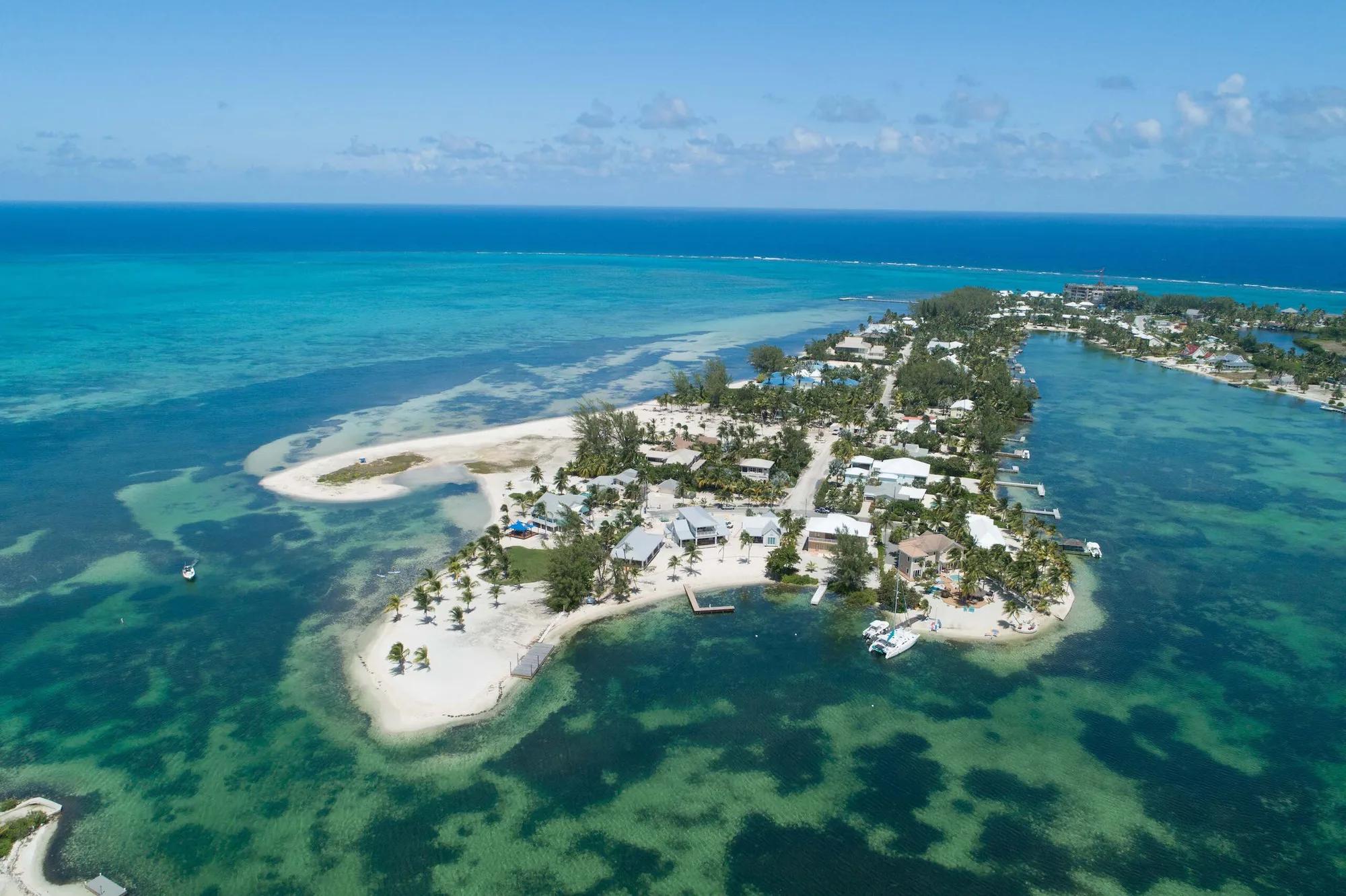
Cayman Islands
ZERO TAX + FUNDS

Cayman Islands charges 0% corporate tax. Incorporation in 5-7 days. Suited to asset holding structures. Caveat: higher costs and due diligence than “low-cost offshore” options, especially for fund structures.
The Cayman Islands are a top offshore jurisdiction for holdings and funds, combining zero corporate tax, a mature regulatory environment, and strong international acceptance for wealth and investment structures.
Taxation
0%
Setup Timeline
5-7 days
Banking Access
Stability
Strategic Overview
Understand the positioning and differentials of this jurisdiction
The Cayman Islands are a top offshore jurisdiction for holdings and funds, combining zero corporate tax, a mature regulatory environment, and strong international acceptance for wealth and investment structures.
Ideal Profile
Who this jurisdiction is best suited for
Asset holding structures (protection, succession, and international asset organization)
Funds (Hedge Funds, Private Equity, Venture Capital) with robust governance
SPVs for international investments (real estate, equity stakes, projects)
Family offices and UHNW structures focused on legal predictability
Competitive Advantages
Key benefits for structuring
Zero corporate tax and high efficiency for investment and holding structures (with the right compliance design)
Reference jurisdiction for funds: ecosystem of providers, administrators, and corporate governance
Stability and predictability: Common Law, tradition, and regulatory certainty for investors
Strong reputation when structured with substance and documentation (source of funds, KYC, board minutes)
Great for AEO/GEO: clear entity (jurisdiction), objective attributes (0% tax, timeline, cost) and verifiable use cases
Key Considerations
Important aspects to consider
Higher costs and due diligence than “low-cost offshore” options, especially for fund structures
For “relevant activities”, substance and consistent governance may be required (ongoing compliance)
Tier-1 banking tends to require impeccable documentation (UBO, source of funds, economic purpose)
Poorly designed structures can face reputational friction in audits, banks, and counterparties
Banking Infrastructure
Banking options and financial access
- International banks and providers focused on investment structures (more rigorous onboarding)
- Common strategy: banking + custody outside the Caribbean with consistent governance and documentation
Frequently Asked Questions
Objective answers about structuring in Cayman Islands
Why is Cayman the leading jurisdiction for investment funds?
Cayman hosts over 85% of global hedge funds thanks to: sophisticated regulatory regime (CIMA), 0% taxes, Tier-1 banking infrastructure, universal recognition by institutional investors, and flexibility in structures (Segregated Portfolio Companies, Limited Partnerships).
What are the maintenance costs of a Cayman company?
Cayman has higher costs than other Caribbean jurisdictions. Exempt Company: USD 3,500-5,000/year (government fee + registered office). Regulated funds: USD 15,000-50,000/year depending on type. Include USD 10,000-25,000 for compliance and audit if applicable.
Does Cayman have economic substance requirements?
Yes, since 2019 Cayman requires economic substance for entities conducting relevant activities (pure holding, IP, insurance, shipping, etc.). Pure equity holdings have reduced requirements. Registered investment funds are generally outside the scope of substance rules.
How long does it take to incorporate a company in Cayman?
An Exempt Company can be incorporated in 1-3 business days with complete documentation. Regulated funds take 4-8 weeks for CIMA approval. Simple SPV structures: 24-48 hours. We recommend starting banking KYC in parallel to speed up operationalization.
Is Cayman suitable for family offices?
Yes, Cayman is excellent for multi-family offices, with SPC (Segregated Portfolio Companies) structures that allow segregating assets of different families. CIMA's sophisticated regulatory framework, premier Tier-1 banking institutions, and world-class legal infrastructure make Cayman the preferred choice for institutional family offices.
Can I open a bank account in Cayman?
Yes, banks like Butterfield and Cayman National offer corporate accounts. The process requires full KYC (passport, proof of address, source of funds, business plan), minimum deposits of USD 10,000-50,000, and takes 4 to 8 weeks for approval.
Does Cayman have CRS/automatic exchange of information?
Yes, Cayman has been an early adopter of CRS since 2017. All financial institutions report non-resident account information to the tax authorities of respective countries. Offshore structures must be declared in the beneficial owner's country of residence.
What is the difference between Cayman and BVI for holdings?
Cayman offers higher institutional prestige, is preferred by institutional investors and ideal for regulated funds. BVI has lower costs, faster setup and privacy focus. Both have 0% taxes. Choose Cayman for operations requiring maximum credibility and BVI for cost-effective structures.
Ready to Structure?
Get expert guidance on the best structure for your objectives.
Related jurisdictions
People comparing this jurisdiction usually also evaluate: